Summarize with
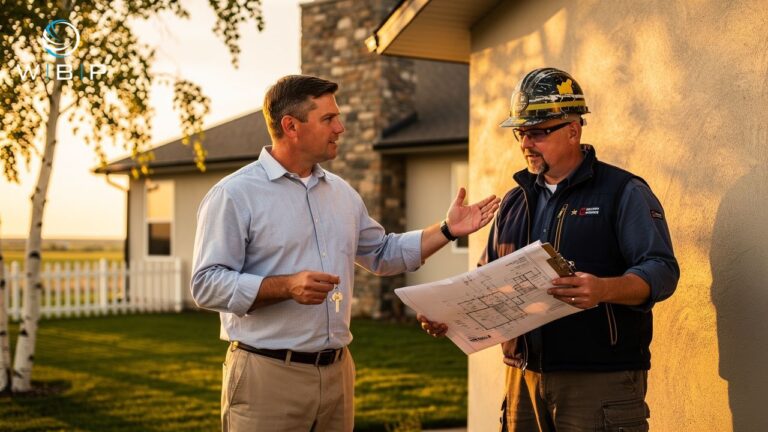
You might be wondering, what does a general contractor do? A general contractor is responsible for all aspects of a build: this includes permits, subcontractors, materials, inspections, and the everyday schedule.
That same role on a ground-up project evolves into full construction project management, budgeting, code compliance, site safety, and schedule with the short building season in Williston, ND.
Let us take you through the role of a general contractor, where it changes based on the type of project, and what you should be aware of before hiring a general contractor.
General Contractor Role on a Job Site
The single biggest factor that changes what a general contractor does is project scope. He analyzes whether it’s a new construction, a major renovation, or a smaller repair job. Each demands a different level of involvement.
According to a command published by the National Association of Home Builders, a licensed GC is supposed to act as the central point of accountability for a project, meaning the buck stops with them even when a sub-trade makes a mistake. That accountability is really the core role of a general contractor they do not have to individually frame every wall, but they do have to answer for it if it’s framed wrong.
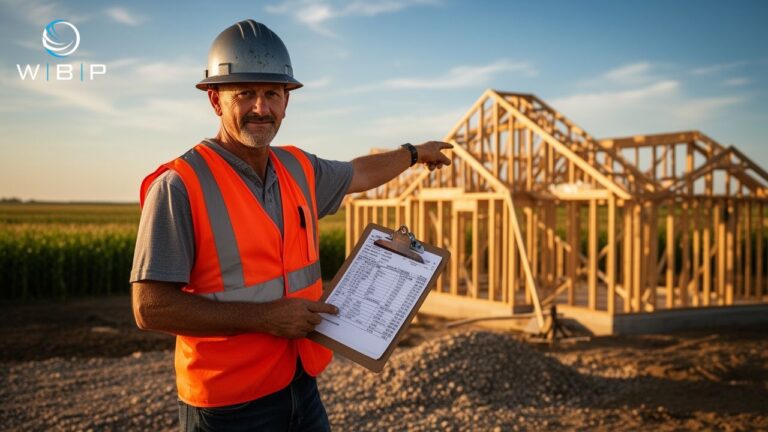
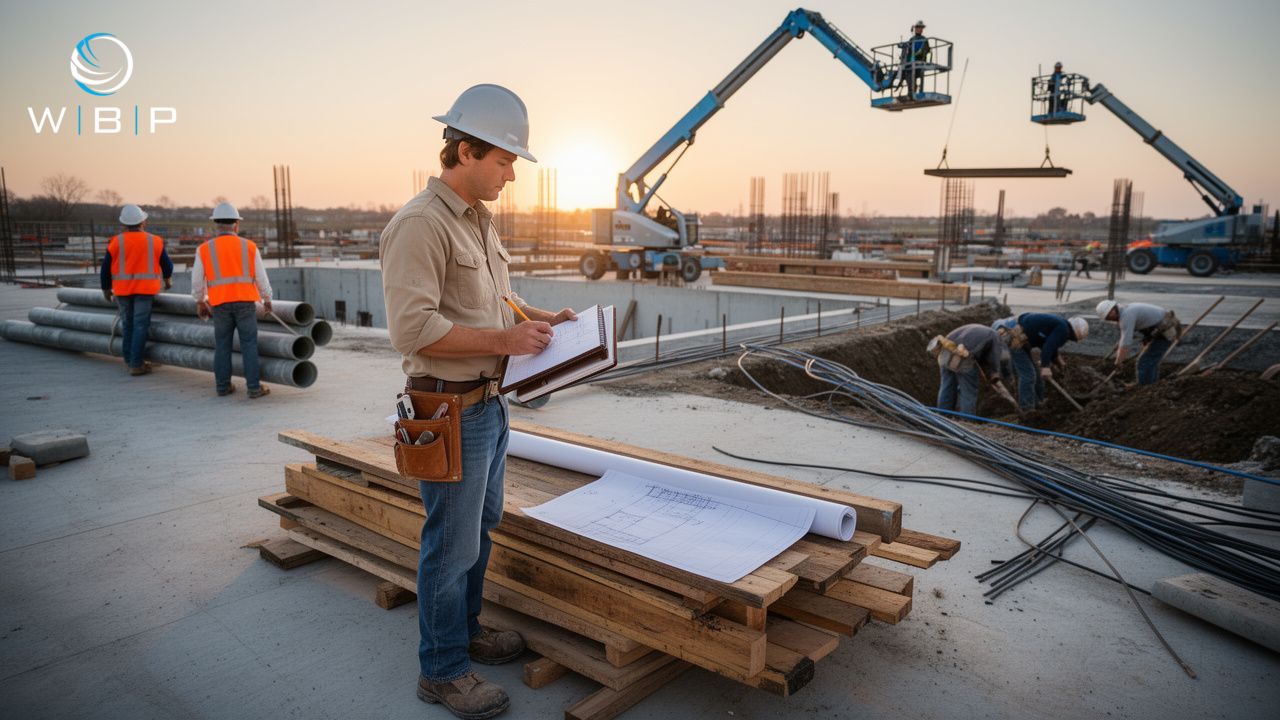
On new construction, this looks like sequencing dozens of trades in the right order: excavation before foundation, rough electrical before drywall while tracking a budget that can shift with material costs or a late lumber delivery. A GC who misses that sequencing on a Williston build in November can lose weeks waiting for a concrete pour once the ground starts to freeze.
The role of the general contractor is a bit different on a renovation or addition project. Less new construction sequencing and more coordination around an occupied house; protecting existing floors, coordinating dust and noise to the family still living in the house, and working around what’s behind the walls. The Professional Safety and Health Administration outlines job-site safety tips that apply here too, and a contractor with real renovation experience will plan around them rather than finding a wiring surprise in the middle of the project.
General Contractor Responsibilities | Phase by Phase
Industry cost estimate and project management resources generally break a build into three phases:
1. Pre construction
2. Active construction
3. Closeout
Understanding which phase you’re in helps explain why a GC might be in your kitchen measuring cabinets one week and buried in permit paperwork the next.
| Project Phase | Primary GC Responsibilities | What the Homeowner Sees |
|---|---|---|
| Pre Construction | Permitting, subcontractor bidding, material ordering, site prep planning | Contracts, permit filings, a proposed schedule |
| Active Construction | Daily site supervision, trade sequencing, inspections, change-order management | Visible progress, weekly check-ins, occasional schedule adjustments |
| Closeout | Final walkthroughs, punch-list corrections, warranty documentation, final inspections | A finished space, a punch-list sign-off, closeout paperwork |
Choose General Contractor Services Carefully The true value is in construction project management, not swinging a hammer, which a general contractor has little need to do on the job personally, but rather in scheduling software, supplier relationships, and knowing which sub-trades are likely to show up and which might not. A general contractor service that has been established usually provides all of the above, which means that the homeowner is covered in case a dispute with a sub occurs later. A general contractor service that is established will usually include all of these, thus giving the homeowner some protection in case of a dispute with a sub.
Many of today’s GCs have projects in a digital scheduling system that have inspection dates, material deliveries, and change orders all in one place, thus eliminating the “did anyone call the electrician back” nightmare that plagued paper-based job sites.
Licensed Construction Project Management
A licensed general contractor is responsible for making sure every trade on site meets local building code, not just their own crew’s work. Building-code authorities generally require permitted work to pass rough-in and final inspections before it’s covered up, and a GC’s job includes scheduling those inspections at the right point in the build.
Licensing and insurance requirements vary by state, so verifying a contractor’s license number and liability coverage before signing anything isn’t optional; it’s the baseline.
The General Contractor Process | Step by Step
- Initial consultation and scope definition: The GC and homeowner walk the project, agree on the scope, and set a rough timeline.
- Bidding and subcontractor selection: The GC solicits and vets bids from electricians, plumbers, framers, and other trades needed for the job.
- Permits: Required permits are filed with the local building authority before any work begins.
- Site preparation: Demolition, grading, or utility marking happens ahead of active construction.
- Active construction and trade sequencing: Subs are scheduled in the correct order, with the GC supervising daily progress.
- Reviews at key milestones: This happens before walls are sealed; the final reviews happen before possession.
- Closeout: The GC hikes the completed space with the homeowner, adjusts any incredible items, and hands over guarantee documentation.
Smart Ways to Avoid Mistakes When Hiring a General Contractor
Skipping the license and insurance verification is the most common one, usually because the contractor “seemed experienced” or came recommended by a neighbor. That’s not nothing, but it isn’t proof of current, valid coverage either.
Signing a contract with vague scope language is another. “Remodel kitchen” isn’t a scope it invites disagreement later about what was actually included. A detailed scope of work with material specifications protects both sides.
Key Factors to Evaluate Before Hiring a General Contractor
- License and insurance status: Confirm current licensing and liability coverage directly with the state licensing board, not just the contractor’s word.
- Communication style: Some GCs send daily updates, others check in weekly — figure out what you need before the project starts, not three weeks in.
- Subcontractor relationships: A GC with long-standing relationships with local trades tends to get better scheduling priority than one cold-calling subs for every job.
- Change order process: Get it in writing how scope changes and cost adjustments are documented and approved.
- Local experience: A contractor who’s built or renovated in your specific climate and permitting jurisdiction will plan around problems a newcomer might not see coming.
Frequently Asked Questions
Do I need a general contractor for a small renovation in Williston, ND?
For a single-trade job, like replacing a water heater, you likely don’t. For anything involving multiple trades or structural changes, a general contractor keeps the sequencing and permitting from becoming your problem to manage.
How does winter weather in Williston, ND, affect a construction timeline?
Exterior work like foundation pours, roofing, and siding generally needs to happen before hard freeze, so a general contractor working in Williston has to sequence those tasks earlier in the schedule than a contractor in a milder climate would.
Is it harder to find available subcontractors in Williston, ND, during peak building season? Yes in a region with a compressed construction window, reliable subs can book up quickly, which is why an established general contractor’s existing trade relationships matter more in Williston, ND than in a market with a year-round building season.
What’s the biggest local factor a Williston, ND homeowner should ask a contractor about? Ask directly how they plan to sequence exterior work around the frost line. A contractor who can answer that specifically, rather than generally, likely has real local experience.
If an inspection doesn’t pass during the project, what will happen?
The general contractor communicates with the appropriate subcontractor through the correction and then schedules a re-inspection, which can influence the timeline for the project as a whole based on that subcontractor’s ability to deliver the project.
What does a general contractor do if there are issues not anticipated, such as rot behind a wall?
Usually, they stop the work they are doing, identify the problem, and give the homeowner a list of what they are doing and the extra work that needs to be done and what it will cost.
What’s the difference between construction project management and general contracting? Construction project management is one role under general contracting, which involves project scheduling, budgeting and coordination; and general contracting has additional roles, including licensing, on-site supervision and legal liability for the work completed.
What is the average time for a house to be remodeled by a general contractor?
The timeline will heavily vary based on the project and the trade availability, but a GC should be able to show you the timeline through a staged schedule as opposed to a generic estimate.
Professional Tips for Williston Homeowners
The clearest signal of a good general contractor isn’t a slick estimate, it’s how specifically they can talk about your actual project. A contractor who can clarify exactly how they’ll schedule your build within a short construction period, who has actual answers about local permitting turnaround, and who puts scope and change orders in writing is the one worth hiring. The information matters more than the sales pitch.
Expert Support for Your Project
Whether you are a homeowner requiring full scope home renovations or a builder seeking a fresh construction home, WBP Contracting LLC can do it all in the Williston, ND space. To consider your project and to schedule it as you want, rather than a standard one, call WBP Contracting LLC at (406) 890-3507 or email wilder@wbpcontractingllc.com. Designed for Williston’s winters, a local team is worth the call.
Sources
- National Association of Home Builders — General contractor accountability standards.
- Occupational Safety and Health Administration — Construction industry safety standards.
- International Code Council — Building code and inspection standards.